Even in elementary school I thought it was supremely disappointing to receive no feedback on an assignment. The best case scenario was comments of praise. The next best thing was some kind of constructive commentary; one of my high school teachers did it especially beautifully, in rosy metallic ink. The most distasteful result was a row of check marks—and nothing else—at each paragraph, as if the teacher did nothing but flip through the pages of my hours of work. I suppose this is why, years later, at the University of Bologna, I felt like I was being cheated of education. There weren’t even check marks—just a hello on the first day of class and a grade-notification email when it was all over.
One child who clings onto teacher feedback more dramatically than I ever could is Sofia, in Clarice Lispector’s “Os Desastres de Sofia,” the first story in her collection A Legião Estrangeira (1964). Sofia, a nine-year-old, takes her teacher’s attempts to maintain classroom order as a personal challenge. Classes become a sort of tango, in which she attempts to provoke him as outrageously as possible and he must sidestep her with as little commotion as possible. Any rise that he must forcefully suppress so as not to descend the room into chaos is a victory, and she continually escalates her mischievousness in order to maintain this strangest of platonic obsessions.
Her upper hand, however, falters dangerously one day. The teacher tells the class the general framework of a story involving a poor man who dreamed of finding riches, searched the world, and came back empty-handed. He then started planting a garden out of necessity and ended up with an enormously profitable farm, awarding him the riches he’d wanted all along. As the assignment is to rewrite this story in one’s own words, and the more obvious moral of the story is that hard work yields more riches than opportunism, Sofia decides to be purposely obtuse and write that the moral is instead reminding us to look for treasure in unexpected places.
She finishes this composition in record time and goes off to recess. She forgets something in her bag, however, and runs back to the classroom to grab it, but this lands her in the classroom, completely alone with her teacher for the first time. This sudden predicament throws her off balance, as the presence of other students, which necessitated quiet and order, was an essential backdrop to their tango. Now, would things shift? The relationship that was so strong when its presence was unspoken is on edge.
Sofia braces herself for some kind of smackdown, a release of the frustration that has accumulated from her antics all year. But nothing of the sort happens. Instead, the teacher merely asks her about the composition. She is stunned—why would he bring up something so trivial? He asks where she got her idea from, the idea of unsuspectingly discovering treasure. And worst of all, he is not criticizing this idea for being outlandish but almost praising it, as something unique and pleasantly surprising. When she responds that she herself invented the idea, he gives a most alarmingly unthreatening answer, calling her a funny little girl.
Like a high ranking general hearing that enemy soldiers were singing with his own, Sofia cannot process that her teacher could be so frank with his amusement, and the power she relished in those back-and-forth provocations is threatened. First she considers this a grave loss: she is nauseous, she tries standing taller, he must be toying with her by not appearing annoyed whatsoever. Her legs take her speedily out of the classroom, out of the school-building, and her imagination runs wild. What if his comments had been genuine? The idea of her cheap, cheeky composition’s being called “bonita” levels adult and child, teacher and student, enemy and fighting hero, in a way that deeply unsettles her, unsettles the pedestal she had placed him on. She thinks: “Naquele tempo eu pensava que tudo o que se inventa é mentira.” Did he actually see potential in her as a student? Finally she lets herself hope: what if she’s the unexpected treasure in his eyes?
I loved this story because Lispector refuses to underestimate the emotional and intellectual capacity of students. We can assume that Sofia has passing but not exceptional grades; she admits that she doesn’t waste time on studying, and she seems to identify fiction from nonfiction in a way that doesn’t allow room for truth in fiction. But this is a flaw easily remedied by some high school language/literature classes. Her close attunement to her surroundings, her teacher, and her own thoughts demonstrates a level of mental agility indistinguishable from an adult’s. And as she’s questioning her own thoughts, years later upon this teacher’s death, saying repeatedly “nunca saberei o que eu entendo.” it makes me feel that she did fact know exactly what she came to understand in that moment, only that she couldn’t put it into words without flowery biblical metaphor.
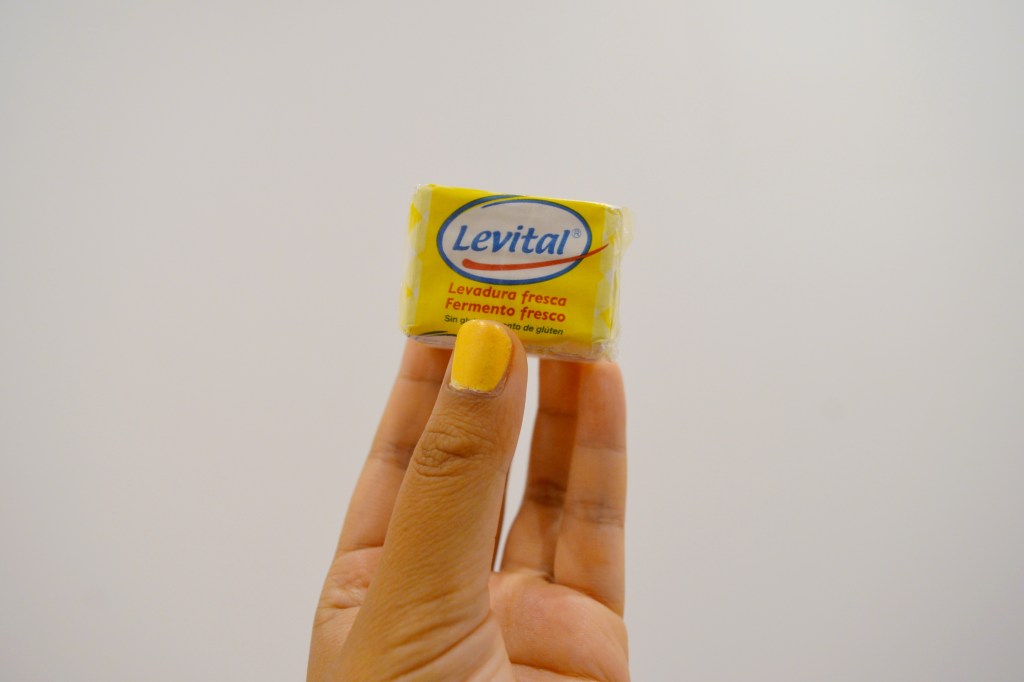
In Spain, in addition to those instant yeast packets and your own sourdough starter, there’s an intermediate option called levadura fresca. It’s a crumbly block that smells distinctly like yogurt rather than normal yeast, but it works just as well.
Funny Walnut Bread
Ingredients
- 4 cups flour
- 1 1/4 cups warm water
- 25g (1 pack) levadura fresca
- pinch salt
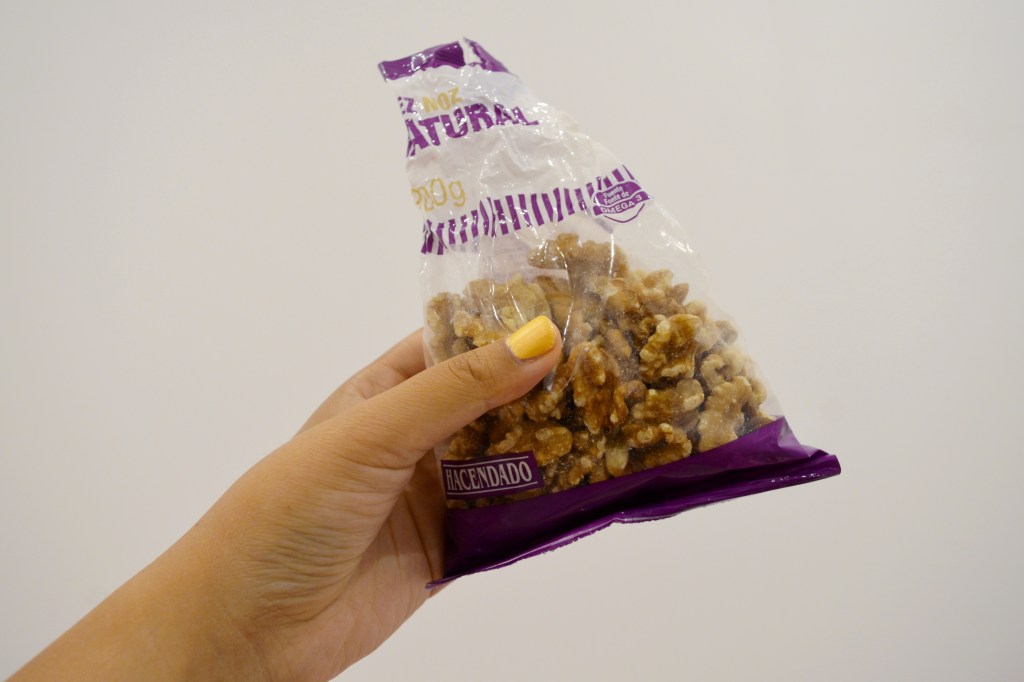
- package walnuts
Directions
- In a mixing bowl, whisk together flour and salt.
- In a small cup or bowl, break up pieces of the levadura fresca into the warm water. Let sit for 5 minutes.
- Stir yeast mixture into the flour until a rough ball forms. Let mixture sit 15 minutes.
- Knead for 10 minutes, then transfer into a clean bowl and cover with plastic wrap. Let rise for 2 1/2 hours.
- Re-knead and incorporate walnuts. (You can toast the walnuts ahead of time but since they’re going into the oven anyways I thought it was pretty unnecessary.)
- Divide dough into 2 halves and shape. Let rise for another 2 hours.
- Preheat oven to 220, slash bread right before putting it into the oven.
- Bake for 40 minutes or until crust is golden. (Tent with foil for first 20)
- Let cool slightly, and enjoy! I sliced and toasted mine to make a sandwich with baby spinach, sliced cherry tomatoes, avocado, cashew cheese, locally made vegan chorizo, and vegan butter.
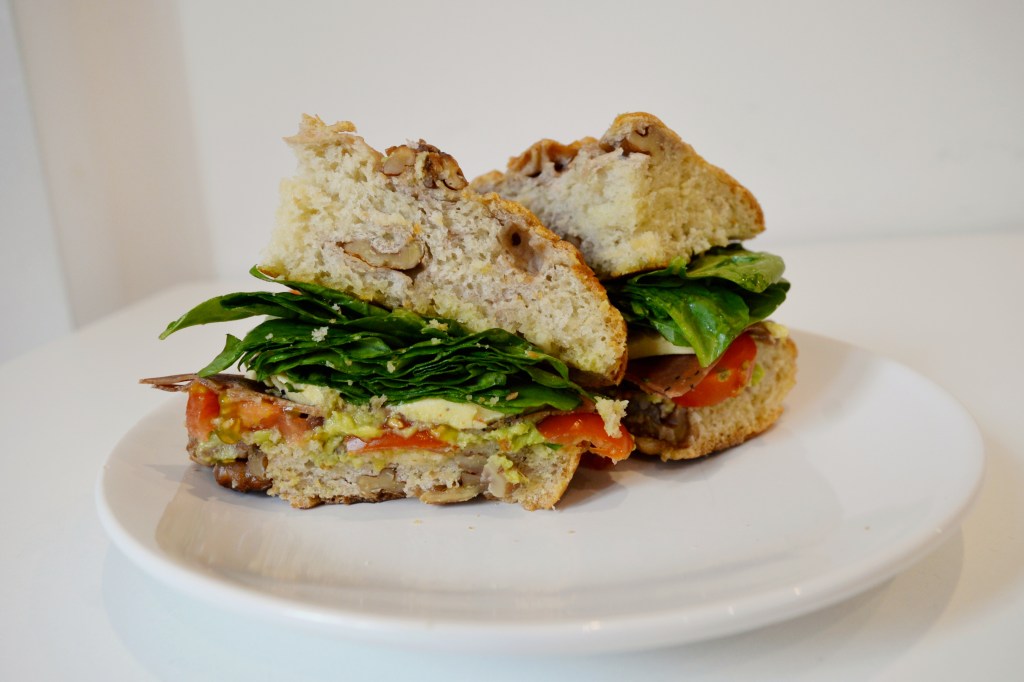
Makes enough bread for 5 such sandwiches.
 Racións
You must be logged in to post a comment.